





Airports play a major role in tourism, transportation, trade, and regional development because they connect important cities with domestic and international aviation networks. Maharishi Valmiki International Airport is one of the significant aviation hubs in Uttar Pradesh because it serves Ayodhya and nearby regions. Since Ayodhya continues to grow as a major religious, cultural, and economic destination, aviation infrastructure has become increasingly important for passenger movement and business accessibility. Consequently, the airport supports tourism growth, regional mobility, and infrastructure expansion. Moreover, travelers often search for details about Maharishi Valmiki International Airport’s location, facilities, code, terminal setup, and transportation links.
Maharishi Valmiki International Airport serves Ayodhya while strengthening domestic and international connectivity. Furthermore, it contributes significantly to tourism growth, urban development, and improved travel efficiency.
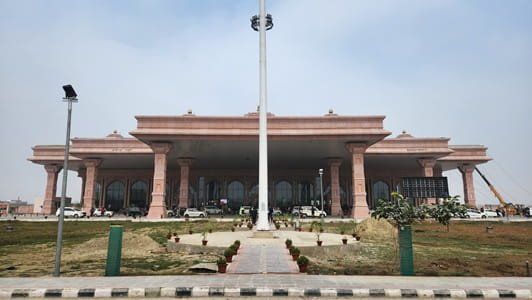
| Feature | Details |
| Airport Name | Maharishi Valmiki International Airport |
| Alternative Name | Ayodhya International Airport |
| Location | Ayodhya, Uttar Pradesh |
| Airport Type | International Airport |
| IATA Code | AYJ |
| ICAO Code | VEAY |
| Pin Code | 224001 |
| Operator | Airports Authority of India |
| Terminal Type | Integrated Passenger Terminal |
| Runway Availability | Single Runway |
| Nearest City | Ayodhya |
| Connectivity | Road, rail, and regional transport connectivity |
| Nearby Railway Station | Ayodhya Dham Junction |
| Transportation | Taxi, buses, private vehicles, app-based cabs |
Location of Maharishi Valmiki International Airport
Maharishi Valmiki International Airport is located in Ayodhya, Uttar Pradesh. Furthermore, the airport lies near major roads, tourism corridors, and expanding urban areas, which improve accessibility.
Several nearby areas benefit from the airport location, including:
- Ayodhya city
- Tourism corridors
- Religious travel zones
- Commercial districts
- Nearby urban regions
Additionally, the airport supports smooth access for visitors, business travelers, and local residents.
Airport Code and Identification
Every airport uses official aviation identification systems for airline handling, navigation, and communication. Maharishi Valmiki International Airport carries recognized aviation codes.
Official Airport Codes
- IATA Code: AYJ
- ICAO Code: VEAY
The IATA code appears in booking systems and baggage handling. Meanwhile, the ICAO code supports aviation communication and operational systems.
Terminal Facilities at Maharishi Valmiki International Airport
The airport includes a modern integrated passenger terminal that supports domestic and international travel requirements. Since passenger traffic continues to grow, facilities focus on convenience, safety, and efficiency.
Main Terminal Features
- Integrated passenger terminal
- Check-in counters
- Arrival and departure halls
- Security screening zones
- Baggage handling sections
- Waiting lounges
- Parking facilities
- Administrative support areas
Moreover, the terminal design supports organized passenger movement.
Passenger Facilities
Travelers can access several modern amenities, including:
- Comfortable seating areas
- Food and beverage outlets
- Restroom facilities
- Information desks
- Drinking water support
- Retail counters
- Parking zones
- Accessibility support
- Security-monitored passenger areas
Additionally, the airport supports convenient travel experiences.
Runway and Airport Infrastructure
The airport contains a single runway suitable for domestic and international aircraft movement. Furthermore, infrastructure supports increasing passenger traffic and aviation growth.
Infrastructure Highlights
- Single operational runway
- Aircraft parking apron
- Ground support systems
- Security infrastructure
- Air traffic communication systems
- Passenger handling facilities
In addition, the airport contributes to regional tourism and economic growth.
Connectivity and Transportation
Connectivity remains one of the strongest advantages of Maharishi Valmiki International Airport because it serves a rapidly growing tourism destination. Since Ayodhya has improving transport systems, airport access remains practical.
Road Connectivity
The airport connects with Ayodhya and nearby districts through highways and city roads. Travelers can use several transportation options, including:
- Taxis
- App-based cabs
- Local buses
- Private vehicles
- Regional transport services
Additionally, road transport supports smoother travel to nearby areas.
Railway Connectivity
Ayodhya Dham Junction serves as one of the nearest railway stations. Therefore, travelers can combine road and rail transportation effectively.
Regional Accessibility
The airport supports access for travelers moving to:
- Ayodhya city
- Tourism zones
- Religious travel corridors
- Nearby districts
- Commercial centers
Consequently, the airport remains highly valuable for tourism and infrastructure expansion.
Importance of Maharishi Valmiki International Airport
The airport holds strategic importance because Ayodhya continues to attract increasing domestic and international visitors. Furthermore, it supports economic activity and transport growth.
Reasons Behind Its Importance
- Strong tourism support
- Better domestic and international accessibility
- Improved passenger movement
- Infrastructure development value
- Business travel convenience
Moreover, international airports often strengthen city growth and regional investment.
Advantages of Maharishi Valmiki International Airport
The airport offers several practical benefits.
Major Advantages
- Strong tourism relevance
- Modern passenger facilities
- Better accessibility support
- Strategic urban location
- Long-term growth potential
Additionally, it supports stronger travel efficiency.
Challenges Faced by Maharishi Valmiki International Airport
Despite its importance, the airport still faces certain operational challenges.
Common Challenges
- Rising passenger traffic demand
- Infrastructure scaling needs
- Future terminal expansion requirements
- Traffic congestion risks during peak travel
- Growing transport expectations
However, modernization efforts can improve long-term efficiency.
Future Development Possibilities
India continues expanding aviation infrastructure. Therefore, Maharishi Valmiki International Airport has strong growth potential.
Possible future developments may include:
- Expanded terminal capacity
- Better transport integration
- Improved aviation systems
- Enhanced passenger support
- Stronger tourism infrastructure
Furthermore, development could support employment, tourism, and business expansion.
Safety and Security Measures
Passenger safety remains essential at Maharishi Valmiki International Airport. Therefore, authorities maintain structured aviation security systems.
Security Features
- Controlled airport entry points
- Passenger verification systems
- Security monitoring
- Baggage screening procedures
- Aircraft movement oversight
- Ground safety management
In addition, these systems support reliable airport operations.
FAQs About Maharishi Valmiki International Airport
Q1. Where is Maharishi Valmiki International Airport located?
Maharishi Valmiki International Airport is located in Ayodhya, Uttar Pradesh.
Q2. What is the IATA code of Maharishi Valmiki International Airport?
The IATA code is AYJ.
Q3. What is the ICAO code of Maharishi Valmiki International Airport?
The ICAO code is VEAY.
Q4. Does Maharishi Valmiki International Airport have a passenger terminal?
Yes, it has an integrated passenger terminal for domestic and international aviation services.
Q5. Which railway station is nearest to Maharishi Valmiki International Airport?
Ayodhya Dham Junction is one of the nearest railway stations.
Q6. What transportation options are available near the airport?
Travelers can use taxis, buses, app-based cabs, private vehicles, and regional transport services.
Q7. Why is Maharishi Valmiki International Airport important?
It supports tourism, international accessibility, infrastructure growth, and business movement.
Q8. Can Maharishi Valmiki International Airport expand further in the future?
Yes, it has strong potential for modernization and larger passenger capacity.