



The zero waste eco-store business has emerged as one of the fastest-growing retail concepts in response to increasing environmental awareness and sustainable living practices. Consumers are becoming more conscious of plastic pollution, climate change, and excessive packaging waste. As a result, many people now prefer products that are reusable, refillable, biodegradable, compostable, or made from sustainable materials. This shift in consumer behavior has created excellent opportunities for entrepreneurs interested in eco-friendly retail businesses.
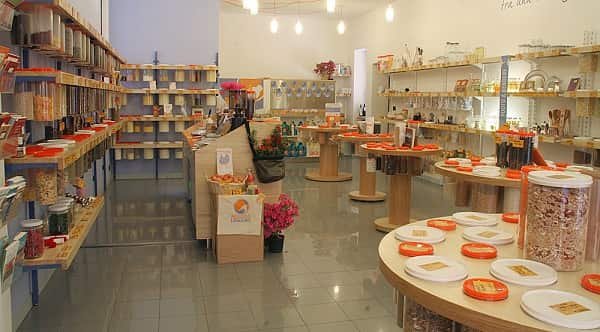
A zero waste eco-store focuses on minimizing waste by offering environmentally responsible products with little or no disposable packaging. Customers are often encouraged to bring reusable containers, refill household products, and purchase durable alternatives to single-use items. Typical product categories include reusable kitchenware, refillable cleaning supplies, personal care products, organic groceries, bamboo products, stainless steel bottles, cloth bags, compostable packaging, natural soaps, eco-friendly detergents, and sustainable home essentials.
In 2026, demand for sustainable products continues to grow as governments, businesses, and consumers place greater emphasis on environmental responsibility. Although the business offers long-term growth potential and a strong brand image, entrepreneurs should also consider challenges such as higher product costs, customer education, inventory sourcing, and market competition.
Understanding the advantages and disadvantages of a zero waste eco-store business helps entrepreneurs evaluate whether this sustainable retail model aligns with their business goals.
Advantages of a Zero Waste Eco-Store Business
1. Growing Demand for Sustainable Products
One of the biggest advantages of a zero waste eco-store is the increasing demand for environmentally friendly products.
Customers actively seek alternatives such as:
- Reusable shopping bags
- Stainless steel bottles
- Bamboo toothbrushes
- Natural cleaning products
- Compostable kitchen items
- Refillable household products
- Eco-friendly personal care products
This trend supports long-term business growth.
2. Positive Brand Image
Businesses that promote sustainability often build strong customer trust.
An eco-friendly brand is associated with:
- Environmental responsibility
- Ethical sourcing
- Sustainable living
- Responsible consumption
A positive reputation encourages customer loyalty and referrals.
3. Wide Product Range
A zero waste store can offer products across multiple categories.
Popular products include:
- Refillable detergents
- Natural soaps
- Organic groceries
- Reusable containers
- Bamboo kitchen products
- Compost bins
- Cloth napkins
- Beeswax wraps
- Eco-friendly cleaning tools
- Sustainable home accessories
A diverse inventory attracts different customer segments.
4. Customer Loyalty
Environmentally conscious consumers often remain loyal to businesses that align with their values.
Providing:
- Quality products
- Honest sourcing information
- Excellent customer service
helps create long-term customer relationships.
5. Opportunity for Premium Pricing
Many eco-friendly products command higher prices because of:
- Sustainable materials
- Ethical production
- Higher manufacturing costs
- Environmental certifications
Customers who prioritize sustainability are often willing to pay for quality.
6. Multiple Sales Channels
Businesses can generate revenue through:
- Physical retail stores
- Online stores
- Subscription refill services
- Local delivery
- Community markets
Using multiple channels expands market reach.
7. Support for Environmental Sustainability
Zero waste businesses contribute by promoting:
- Reduced plastic waste
- Reusable products
- Responsible consumption
- Sustainable packaging
- Waste reduction
This creates both social and environmental value.
8. Business Expansion Opportunities
As demand grows, businesses can expand by:
- Launching private-label products
- Opening additional stores
- Introducing refill stations
- Offering educational workshops
- Expanding online operations
Scalable growth improves long-term profitability.
Disadvantages of a Zero Waste Eco-Store Business
1. Higher Product Costs
One of the biggest disadvantages is the higher cost of eco-friendly products.
Sustainable materials and ethical manufacturing often increase wholesale prices, which may limit affordability for some customers.
2. Limited Supplier Availability
Finding reliable suppliers of authentic sustainable products can be challenging.
Businesses must carefully evaluate:
- Product quality
- Sustainability claims
- Manufacturing standards
- Supplier reliability
Building dependable supplier relationships takes time.
3. Customer Education Requirements
Many consumers are unfamiliar with zero waste practices.
Business owners often need to explain:
- Product benefits
- Refill systems
- Waste reduction methods
- Sustainable alternatives
Education requires additional marketing effort.
4. Smaller Customer Base in Some Markets
Although interest is growing, some regions still have limited demand for eco-friendly products.
Customers focused primarily on price may choose conventional alternatives.
Proper market research is essential before opening a store.
5. Inventory Management Challenges
Some sustainable products have slower sales cycles than everyday consumer goods.
Businesses must carefully monitor:
- Product demand
- Inventory turnover
- Seasonal trends
- Storage requirements
Efficient inventory management reduces financial risk.
6. Strong Competition
Competition comes from:
- Online eco-stores
- Large retail chains
- Organic grocery stores
- Sustainable product marketplaces
Businesses must differentiate themselves through product quality and customer experience.
7. Marketing Expenses
Building awareness often requires investment in:
- Digital marketing
- Educational campaigns
- Community events
- Sustainability workshops
- Social media content
Marketing plays a major role in customer acquisition.
8. Authenticity Expectations
Customers expect genuine sustainability.
Businesses must avoid misleading environmental claims and maintain transparency about sourcing, packaging, and product materials to preserve customer trust.
Tips for Building a Successful Zero Waste Eco-Store Business
A successful eco-store depends on authenticity and customer trust. Consider these practical strategies:
- Source products from reputable sustainable suppliers.
- Offer refill stations whenever possible.
- Clearly explain product benefits through labels and educational materials.
- Use environmentally friendly packaging.
- Build a professional online store.
- Develop customer loyalty programs.
- Partner with local environmental organizations.
- Organize sustainability workshops and community events.
- Monitor customer preferences regularly.
- Expand product categories gradually.
- Maintain transparency regarding sourcing and sustainability practices.
Is a Zero Waste Eco-Store Business Profitable?
Yes, a zero waste eco-store business can be profitable because demand for sustainable products continues to increase. Consumers are becoming more willing to purchase environmentally responsible alternatives, particularly in urban markets.
Profitability depends on product selection, supplier relationships, customer education, inventory management, marketing effectiveness, pricing strategy, and operational efficiency. Businesses that establish strong brand trust and consistently deliver high-quality sustainable products often achieve long-term success.
Conclusion
The zero waste eco-store business represents an exciting opportunity in the growing sustainable retail industry. Increasing environmental awareness, changing consumer preferences, and support for responsible consumption continue to drive market growth in 2026.
Although entrepreneurs must manage challenges such as higher product costs, supplier limitations, customer education, market competition, inventory management, and marketing expenses, the business offers numerous advantages, including growing demand, premium pricing opportunities, customer loyalty, multiple sales channels, strong brand identity, and meaningful environmental impact.
Entrepreneurs who focus on authentic sustainability, quality products, transparent business practices, and excellent customer service can build a successful and sustainable zero waste eco-store business.
FAQs
Q: What are the main advantages of a zero waste eco-store business?
A: The main advantages include growing demand for sustainable products, a positive brand image, a wide product range, strong customer loyalty, premium pricing opportunities, multiple sales channels, environmental benefits, and expansion opportunities.
Q: What are the disadvantages of a zero waste eco-store business?
A: Common disadvantages include higher product costs, limited supplier availability, customer education requirements, smaller customer bases in some areas, inventory management challenges, strong competition, marketing expenses, and high expectations regarding product authenticity.
Q: Is a zero waste eco-store business profitable in 2026?
A: Yes, it can be profitable because consumer interest in sustainable living continues to grow. Profitability depends on effective sourcing, customer retention, pricing, inventory management, operational efficiency, and marketing.
Q: What products are commonly sold in a zero waste eco-store?
A: Common products include reusable bottles, cloth shopping bags, refillable detergents, bamboo toothbrushes, natural soaps, compostable household products, stainless steel containers, reusable kitchen items, eco-friendly personal care products, beeswax wraps, and sustainable home essentials.
Q: How much investment is required to start a zero waste eco-store?
A: Investment depends on the store size and business model. Major expenses include retail space, shelving, inventory, refill systems, billing software, branding, marketing, storage facilities, and working capital.
Q: How can a zero waste eco-store attract customers?
A: Businesses can attract customers by offering quality sustainable products, organizing educational workshops, maintaining transparent sourcing, providing refill services, building an online presence, creating loyalty programs, and engaging with environmentally conscious communities.
Q: What skills are required to run a successful zero waste eco-store?
A: Important skills include retail management, inventory control, supplier coordination, customer service, marketing, financial planning, sustainability knowledge, merchandising, and the ability to educate customers about environmentally responsible products and practices.