





The smart home devices retail business has become one of the fastest-growing segments in the consumer electronics industry. As technology continues to transform everyday living, more homeowners and businesses are investing in connected devices that improve convenience, security, energy efficiency, and automation. Products such as smart speakers, security cameras, smart lighting, video doorbells, smart locks, thermostats, sensors, and home automation hubs are now widely used in modern homes.
A smart home devices retail business sells internet-connected products that allow users to monitor and control various household systems through mobile apps or voice assistants. Retailers may operate physical electronics stores, online e-commerce platforms, or hybrid business models that combine both. Many retailers also generate additional revenue by offering installation, setup, maintenance, warranty support, and customer training services.
In 2026, the demand for smart home technology continues to rise due to increasing internet connectivity, affordable smart devices, improved wireless technologies, and growing consumer awareness. Smart homes are no longer limited to luxury properties, as many middle-income households now adopt automation solutions for convenience and security. Although this business offers attractive growth opportunities, entrepreneurs should also consider challenges such as rapid technological changes, inventory management, technical support requirements, and increasing competition.
Understanding the advantages and disadvantages of a smart home devices retail business helps entrepreneurs make informed investment decisions.
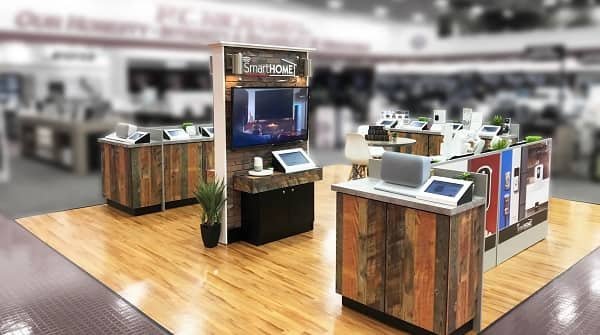
Advantages of a Smart Home Devices Retail Business
1. Growing Market Demand
One of the biggest advantages of this business is the rapidly increasing demand for smart home technology.
Popular customer groups include:
- Homeowners
- Apartment residents
- Builders
- Interior designers
- Commercial property owners
- Small businesses
As connected living becomes more common, market demand continues to expand.
2. Wide Product Range
A smart home retailer can offer numerous product categories.
Common products include:
- Smart speakers
- Smart lighting
- Smart switches
- Smart plugs
- Security cameras
- Video doorbells
- Smart locks
- Motion sensors
- Smart thermostats
- Home automation hubs
A broad product selection attracts different customer segments.
3. Multiple Revenue Streams
Retail businesses can generate income from several services.
Revenue opportunities include:
- Product sales
- Installation services
- Device configuration
- Maintenance contracts
- Warranty support
- Accessories
- Extended protection plans
- Technical consultation
Diversified income improves business stability.
4. High Customer Retention
Customers who purchase one smart device often return to expand their home automation systems.
Repeat purchases may include:
- Additional sensors
- Smart lighting
- Security devices
- Automation accessories
This creates long-term sales opportunities.
5. Opportunity to Sell Premium Products
Many customers invest in premium home automation systems for improved functionality and reliability.
High-end products often generate better profit margins than standard consumer electronics.
6. Business Scalability
A smart home retail business can expand by:
- Opening additional stores
- Launching an online marketplace
- Offering installation services
- Partnering with builders
- Serving commercial clients
Scalable operations support long-term growth.
7. Strong Technology Adoption
Consumers continue adopting connected technologies for:
- Home security
- Energy management
- Remote monitoring
- Entertainment
- Voice control
This ongoing technology adoption strengthens future demand.
8. Opportunities for Business Partnerships
Retailers can collaborate with:
- Real estate developers
- Construction companies
- Interior designers
- Electrical contractors
- Security system installers
These partnerships help generate consistent customer referrals.
Disadvantages of a Smart Home Devices Retail Business
1. Rapid Technological Changes
One of the biggest disadvantages is the fast pace of technological advancement.
New product models frequently replace older versions, making inventory planning more challenging.
2. High Initial Investment
Starting a professional retail business requires investment in:
- Product inventory
- Retail showroom
- Display systems
- Warehousing
- Point-of-sale software
- Marketing
Initial capital requirements can be substantial.
3. Technical Knowledge Requirements
Sales staff should understand:
- Device compatibility
- Wireless connectivity
- Mobile applications
- Home automation systems
- Installation procedures
Continuous training is necessary.
4. Inventory Management Challenges
Retailers must carefully manage:
- Multiple product models
- Software versions
- Brand compatibility
- Stock availability
Poor inventory management can reduce profitability.
5. Strong Competition
Competition comes from:
- Electronics retailers
- Online marketplaces
- Brand-authorized stores
- Large retail chains
Businesses must compete through customer service and technical expertise.
6. Customer Support Expectations
Many customers require assistance with:
- Installation
- Device pairing
- Network setup
- Software updates
- Troubleshooting
Providing quality technical support increases operational responsibilities.
7. Product Compatibility Issues
Smart home ecosystems sometimes vary between manufacturers.
Customers may experience compatibility concerns when combining devices from different brands, requiring retailers to provide informed guidance.
8. Warranty and Return Management
Retailers often handle:
- Warranty claims
- Product replacements
- Technical inspections
- Customer complaints
Efficient after-sales service is essential for maintaining customer satisfaction.
Tips for Building a Successful Smart Home Devices Retail Business
A successful retail business depends on product knowledge and excellent customer service. Consider these practical strategies:
- Partner with reputable smart home brands.
- Train employees regularly on new technologies.
- Maintain an organized product display area.
- Offer professional installation services.
- Provide product demonstrations.
- Build a user-friendly online store.
- Maintain adequate inventory of popular products.
- Develop relationships with builders and interior designers.
- Offer responsive technical support.
- Encourage customer reviews and referrals.
- Stay updated on emerging smart home technologies.
Is a Smart Home Devices Retail Business Profitable?
Yes, a smart home devices retail business can be profitable because consumer demand for connected home technology continues to grow. Product sales, installation services, maintenance, accessories, and extended warranties create multiple revenue opportunities.
Profitability depends on inventory management, product selection, customer service, technical expertise, supplier relationships, marketing, and operational efficiency. Businesses that build strong customer trust and provide reliable after-sales support often achieve sustainable long-term growth.
Conclusion
The smart home devices retail business offers excellent opportunities in the rapidly expanding home automation industry. Increasing consumer interest in connected living, home security, energy efficiency, and convenience continues to drive market growth in 2026.
Although entrepreneurs must manage challenges such as rapid technological changes, high startup investment, technical knowledge requirements, inventory management, customer support, compatibility issues, warranty management, and strong competition, the business provides numerous advantages, including growing demand, multiple revenue streams, repeat customers, premium product opportunities, scalable operations, and valuable business partnerships.
Entrepreneurs who focus on quality products, knowledgeable staff, exceptional customer service, and reliable technical support can build a successful and sustainable smart home devices retail business.
FAQs
Q: What are the main advantages of a smart home devices retail business?
A: The main advantages include growing market demand, a wide product range, multiple revenue streams, high customer retention, premium product opportunities, business scalability, increasing technology adoption, and partnership opportunities with builders and contractors.
Q: What are the disadvantages of a smart home devices retail business?
A: Common disadvantages include rapid technological changes, high startup investment, technical knowledge requirements, inventory management challenges, strong competition, customer support responsibilities, product compatibility issues, and warranty management.
Q: Is a smart home devices retail business profitable in 2026?
A: Yes, it can be profitable because demand for connected home technology continues to increase. Profitability depends on product selection, customer service, technical expertise, inventory management, supplier relationships, and effective marketing.
Q: What products are commonly sold in a smart home devices retail business?
A: Common products include smart speakers, smart lighting, smart plugs, smart switches, security cameras, video doorbells, smart locks, motion sensors, smart thermostats, home automation hubs, smart appliances, and connected home accessories.
Q: How much investment is required to start a smart home devices retail business?
A: Investment depends on the business size and product range. Major expenses include showroom setup, inventory, display systems, warehousing, billing software, marketing, staff recruitment, technical equipment, and working capital.
Q: How can a smart home devices retailer attract customers?
A: Businesses can attract customers by offering product demonstrations, installation services, competitive pricing, responsive technical support, online sales, digital marketing, customer education, loyalty programs, and partnerships with builders and interior designers.
Q: What skills are required to run a successful smart home devices retail business?
A: Important skills include retail management, customer service, inventory control, technical knowledge of smart home systems, marketing, financial planning, supplier relationship management, troubleshooting, and the ability to explain connected technologies clearly to customers.