




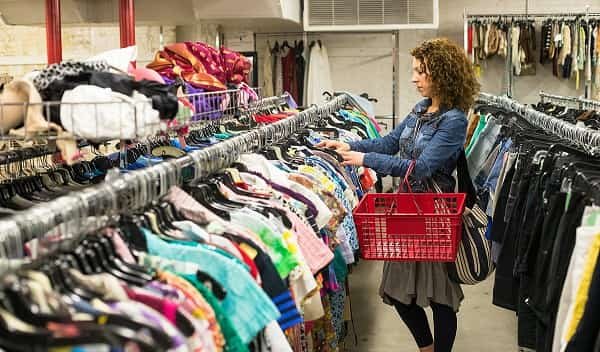
The thrift store fashion business has become one of the fastest-growing retail segments in the fashion industry. As consumers become more conscious of sustainability, affordability, and unique fashion choices, the demand for second-hand clothing and pre-owned fashion accessories continues to increase. Thrift stores provide customers with quality clothing, footwear, handbags, jewelry, and other fashion items at affordable prices while promoting the reuse of products and reducing textile waste.
A thrift fashion business purchases, collects, or receives gently used clothing and accessories, carefully inspects and cleans them, and then resells them through physical stores, online marketplaces, or social media platforms. Some businesses specialize in vintage fashion, designer brands, luxury resale, or curated collections targeting specific customer groups.
In 2026, the growing popularity of sustainable fashion, circular economy practices, and budget-conscious shopping continues to expand the thrift retail market. Young consumers, fashion enthusiasts, students, and environmentally conscious buyers increasingly prefer second-hand fashion because it combines affordability with individuality. Although the business offers attractive opportunities, entrepreneurs should also consider challenges such as inventory sourcing, quality control, customer perceptions, and competition.
Understanding the advantages and disadvantages of a thrift store fashion business can help entrepreneurs decide whether this retail model matches their goals and investment capacity.
Advantages of a Thrift Store Fashion Business
1. Growing Demand for Sustainable Fashion
One of the biggest advantages of a thrift store business is the increasing interest in sustainable shopping.
Consumers choose second-hand clothing because it helps:
- Reduce textile waste
- Promote product reuse
- Support sustainable fashion
- Lower environmental impact
Growing environmental awareness continues to drive demand.
2. Lower Inventory Costs
Compared to traditional fashion retail, thrift businesses often acquire inventory at lower costs.
Products may come from:
- Individual sellers
- Clothing donation programs
- Estate sales
- Clearance purchases
- Wholesale second-hand suppliers
Lower acquisition costs can improve profit margins.
3. Affordable Pricing for Customers
Thrift stores attract price-conscious shoppers by offering quality products at competitive prices.
Customers appreciate:
- Budget-friendly shopping
- Brand-name products
- Designer fashion at lower prices
- Value for money
Affordable pricing expands the customer base.
4. Unique Product Selection
Unlike conventional clothing stores, every thrift inventory is different.
Customers often discover:
- Vintage clothing
- Limited-edition fashion
- Designer labels
- Rare accessories
- One-of-a-kind outfits
Unique merchandise creates an enjoyable shopping experience.
5. Multiple Sales Channels
A thrift fashion business can sell through:
- Physical retail stores
- Online marketplaces
- Social media shops
- Mobile applications
- Live shopping events
Selling through multiple platforms increases revenue opportunities.
6. Strong Customer Loyalty
Many thrift shoppers regularly visit stores because inventory changes frequently.
New arrivals encourage:
- Repeat visits
- Frequent purchases
- Word-of-mouth referrals
Customer loyalty contributes to long-term business growth.
7. Positive Environmental Impact
Thrift businesses support the circular economy by extending the life of clothing.
Benefits include:
- Reduced landfill waste
- Lower resource consumption
- Reduced demand for new textile production
This positive impact strengthens brand reputation.
8. Business Scalability
A thrift business can expand by:
- Opening additional stores
- Launching an online platform
- Selling premium vintage collections
- Introducing branded resale programs
- Expanding into accessories and footwear
Growth opportunities are flexible and scalable.
Disadvantages of a Thrift Store Fashion Business
1. Inconsistent Inventory Supply
One of the biggest disadvantages is the unpredictable availability of inventory.
Businesses depend on:
- Individual sellers
- Donations
- Estate sales
- Wholesale suppliers
Maintaining consistent stock can be challenging.
2. Time-Consuming Quality Inspection
Each item must be inspected carefully before sale.
Inspection includes checking for:
- Fabric damage
- Stains
- Missing buttons
- Zippers
- Wear and tear
Quality control requires significant labor.
3. Cleaning and Preparation Costs
Second-hand clothing usually requires:
- Washing
- Dry cleaning
- Ironing
- Minor repairs
- Proper packaging
These activities increase operating expenses.
4. Customer Perception Challenges
Some consumers still prefer new clothing and may hesitate to purchase pre-owned items.
Businesses must educate customers about:
- Hygiene standards
- Sustainability
- Product quality
Building trust takes time.
5. Limited Product Quantities
Most thrift items are available in only one size or quantity.
Unlike traditional retail stores, replacing popular products may not always be possible.
6. Inventory Management Complexity
Managing thousands of unique items requires organized inventory systems.
Business owners must track:
- Pricing
- Categories
- Sizes
- Brands
- Sales history
Efficient inventory management is essential.
7. Strong Market Competition
Competition comes from:
- Online resale platforms
- Vintage boutiques
- Charity shops
- Fashion marketplaces
- Local thrift stores
Businesses must differentiate themselves through quality and customer experience.
8. Lower Profit on Certain Items
Although some products generate excellent margins, others may sell slowly or require discounts.
Proper pricing strategies are necessary to maintain profitability.
Tips for Building a Successful Thrift Store Fashion Business
A successful thrift fashion business depends on quality, organization, and customer trust. Consider these strategies:
- Source inventory from reliable channels.
- Inspect every item thoroughly.
- Clean and repair products before sale.
- Organize merchandise by category and size.
- Build an attractive online presence.
- Use social media to showcase new arrivals.
- Offer fair and transparent pricing.
- Create loyalty programs for repeat customers.
- Educate customers about sustainable fashion.
- Continuously refresh inventory displays.
- Develop strong relationships with suppliers and local communities.
Is a Thrift Store Fashion Business Profitable?
Yes, a thrift store fashion business can be profitable because inventory acquisition costs are often lower than those of traditional fashion retailers, while consumer demand for affordable and sustainable clothing continues to increase.
Profitability depends on inventory sourcing, quality control, pricing strategy, customer retention, marketing, and operational efficiency. Businesses that consistently provide clean, fashionable, and well-presented products often achieve long-term success.
Conclusion
The thrift store fashion business offers significant opportunities in the expanding sustainable fashion industry. Growing environmental awareness, affordable shopping preferences, and increasing interest in vintage fashion continue to support market growth in 2026.
Although entrepreneurs must manage challenges such as inconsistent inventory, cleaning costs, quality inspection, customer perception, inventory management, competition, and limited product quantities, the business provides numerous advantages, including lower inventory costs, unique merchandise, strong customer loyalty, multiple sales channels, environmental benefits, and flexible expansion opportunities.
Entrepreneurs who focus on quality control, attractive merchandising, transparent business practices, and excellent customer service can build a successful and sustainable thrift store fashion business.
FAQs
Q: What are the main advantages of a thrift store fashion business?
A: The main advantages include growing demand for sustainable fashion, lower inventory costs, affordable pricing, unique product selection, multiple sales channels, strong customer loyalty, positive environmental impact, and business scalability.
Q: What are the disadvantages of a thrift store fashion business?
A: Common disadvantages include inconsistent inventory supply, time-consuming quality inspections, cleaning and preparation costs, customer perception challenges, limited product quantities, inventory management complexity, strong competition, and lower profits on certain items.
Q: Is a thrift store fashion business profitable in 2026?
A: Yes, it can be profitable because demand for affordable and sustainable clothing continues to grow. Profitability depends on inventory sourcing, quality management, pricing, customer loyalty, marketing, and efficient business operations.
Q: What products can be sold in a thrift fashion store?
A: Common products include second-hand clothing, vintage apparel, footwear, handbags, jewelry, belts, scarves, hats, fashion accessories, designer clothing, and pre-owned luxury items.
Q: How much investment is required to start a thrift store fashion business?
A: Investment depends on the store size and business model. Major expenses include retail space, shelving, inventory acquisition, cleaning equipment or services, branding, point-of-sale systems, marketing, storage, and working capital.
Q: How can a thrift fashion store attract customers?
A: Businesses can attract customers by offering carefully curated collections, maintaining clean and high-quality products, using social media marketing, highlighting new arrivals, creating loyalty programs, organizing promotional events, and emphasizing the environmental benefits of second-hand shopping.
Q: What skills are required to run a successful thrift store fashion business?
A: Important skills include inventory management, merchandising, fashion trend awareness, customer service, pricing strategy, marketing, supplier relationship management, financial planning, and quality control.