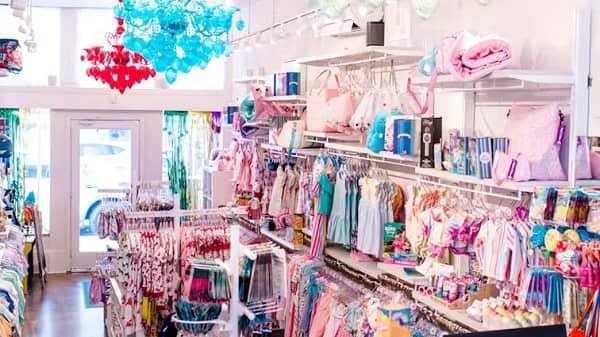





The underwear business is a growing opportunity in the fashion and apparel industry. Increasing awareness about personal comfort, hygiene, changing fashion trends, rising demand for quality innerwear, and growth of online shopping platforms have created attractive opportunities for entrepreneurs.
An underwear business involves manufacturing, wholesale distribution, retail selling, or online sales of innerwear products. Entrepreneurs can sell different types of products, including men’s underwear, women’s lingerie, children’s innerwear, sports innerwear, thermal wear, and premium comfort products.
In 2026, the innerwear market continues to expand because customers consider underwear an essential clothing product rather than an occasional purchase. Rising disposable income, brand awareness, and demand for comfortable fabrics have increased opportunities for new businesses.
Entrepreneurs can start an underwear business through different models, such as a small retail store, online brand, wholesale distribution, home-based production, or manufacturing unit. The business offers opportunities for creativity through product design, branding, packaging, and customer-focused solutions.
However, starting an underwear business also requires proper planning, investment, quality control, market research, and understanding of customer preferences. Entrepreneurs should evaluate both the advantages and disadvantages before entering this competitive market.
Understanding the benefits and challenges of an underwear business helps entrepreneurs develop effective strategies and build a successful apparel venture.

Advantages of an Underwear Business
1. High and Regular Demand
One of the biggest advantages of an underwear business is the continuous demand for innerwear products.
Underwear is an essential clothing item purchased by:
- Men
- Women
- Children
- Athletes
- Different age groups
Regular replacement requirements create consistent sales opportunities.
2. Essential Product Category
Unlike many fashion products, underwear is a necessity.
Benefits include:
- Daily usage
- Regular customer demand
- Wide market reach
- Repeat purchases
Essential products often provide better business stability.
3. Large Customer Base
The underwear market serves a broad range of customers.
Potential segments include:
- Men’s innerwear
- Women’s lingerie
- Kids’ innerwear
- Premium customers
- Sports users
A large customer base provides growth opportunities.
4. Multiple Business Models
Entrepreneurs can choose different ways to operate an underwear business.
Options include:
- Retail shop
- Online store
- Wholesale distribution
- Manufacturing
- Private label brand
Different models allow flexibility based on investment capacity.
5. Strong Repeat Purchase Potential
Customers frequently purchase new innerwear products.
Repeat buying occurs because of:
- Wear and tear
- Hygiene requirements
- Fashion preferences
- Comfort needs
Regular customers can create stable revenue.
6. Opportunity for Brand Building
The underwear industry offers strong branding opportunities.
Businesses can focus on:
- Comfortable fabrics
- Attractive designs
- Premium packaging
- Unique product features
- Customer-focused marketing
A strong brand can increase customer loyalty.
7. Growth of Online Shopping
E-commerce has created new opportunities for underwear businesses.
Benefits include:
- Wider customer reach
- Lower dependence on physical stores
- Digital marketing opportunities
- Direct customer sales
Online platforms help businesses expand faster.
8. Product Innovation Opportunities
Entrepreneurs can introduce innovative products.
Examples include:
- Moisture-wicking fabrics
- Eco-friendly materials
- Seamless designs
- Sports innerwear
- Premium comfort collections
Innovation helps businesses differentiate themselves.
Disadvantages of an Underwear Business
1. High Competition
The underwear market has strong competition.
Businesses compete with:
- Established brands
- Local manufacturers
- Online sellers
- Retail chains
Unique products and effective branding are necessary.
2. Quality Control Challenges
Product quality is extremely important in innerwear.
Businesses must manage:
- Fabric quality
- Stitching standards
- Comfort levels
- Durability
- Size accuracy
Poor quality can negatively affect customer trust.
3. Requires Market Understanding
Customer preferences vary based on:
- Age
- Gender
- Lifestyle
- Comfort needs
- Fashion trends
Businesses need proper market research before launching products.
4. Inventory Management Issues
Managing different sizes, colors, and designs can be challenging.
Problems may include:
- Unsold stock
- Size shortages
- Changing trends
- Storage requirements
Efficient inventory planning is essential.
5. Initial Investment Requirements
Starting a larger underwear business may require significant investment.
Expenses include:
- Manufacturing equipment
- Fabric purchase
- Packaging
- Marketing
- Inventory
- Labor costs
Proper financial planning is required.
6. Marketing Challenges
Building customer awareness can be difficult.
Businesses need effective promotion through:
- Digital marketing
- Brand campaigns
- Social media
- Influencer partnerships
- Customer reviews
Marketing expenses can affect early profits.
7. Changing Fashion Trends
The apparel industry changes quickly.
Businesses must adapt to:
- New designs
- Fabric preferences
- Customer expectations
- Seasonal trends
Failure to innovate can reduce competitiveness.
8. Size and Fit Management
Proper sizing is a major challenge in innerwear businesses.
Issues include:
- Customer dissatisfaction
- Returns
- Incorrect size availability
- Different body requirements
Accurate size planning improves customer experience.
Tips for Building a Successful Underwear Business
A successful underwear business requires quality products, customer understanding, and strong branding. Consider these strategies:
- Research customer preferences.
- Focus on comfortable fabrics.
- Maintain strict quality control.
- Offer different sizes.
- Create attractive packaging.
- Build an online presence.
- Develop unique product features.
- Partner with reliable suppliers.
- Manage inventory carefully.
- Provide excellent customer service.
- Monitor fashion trends.
- Build customer trust.
Is an Underwear Business Profitable?
Yes, an underwear business can be profitable because innerwear is an essential product with regular demand. Entrepreneurs can generate income through retail sales, online stores, wholesale distribution, private labels, and manufacturing.
Profitability depends on product quality, pricing strategy, customer demand, competition, brand reputation, and operational efficiency. Businesses that provide comfortable, durable, and affordable products can achieve sustainable growth.
Conclusion
The underwear business remains a promising opportunity in the fashion and apparel industry in 2026. Growing demand for comfortable clothing, increasing online shopping, changing fashion preferences, and customer focus on quality continue to support market growth.
Although entrepreneurs must manage challenges such as strong competition, quality control requirements, inventory management, investment needs, marketing costs, changing trends, and sizing issues, the business provides several advantages, including regular demand, repeat purchases, brand-building opportunities, multiple business models, online growth potential, and product innovation possibilities.
Entrepreneurs who focus on quality, customer satisfaction, effective marketing, and strong product development can build a successful and profitable underwear business.
FAQs
Q: What are the main advantages of an underwear business?
A: The main advantages include high demand, essential product value, a large customer base, repeat purchases, multiple business models, online growth opportunities, brand development, and product innovation possibilities.
Q: What are the disadvantages of an underwear business?
A: Common disadvantages include strong competition, quality control challenges, inventory issues, investment requirements, marketing difficulties, changing fashion trends, and size management problems.
Q: Is an underwear business profitable in 2026?
A: Yes, an underwear business can be profitable because innerwear has regular demand. Profitability depends on product quality, branding, pricing, customer service, and market management.
Q: What types of underwear products can be sold?
A: Businesses can sell men’s underwear, women’s lingerie, children’s innerwear, sports innerwear, thermal wear, premium collections, and comfort-focused products.
Q: How much investment is required to start an underwear business?
A: Investment depends on the business model. Retail and online businesses require less investment, while manufacturing requires more capital for equipment, materials, labor, and inventory.
Q: How can an underwear business attract customers?
A: Businesses can attract customers through quality products, online marketing, attractive packaging, competitive pricing, customer reviews, brand awareness, and comfortable designs.
Q: What skills are required to run a successful underwear business?
A: Important skills include market research, product development, quality management, branding, inventory control, customer service, supplier management, and business planning.