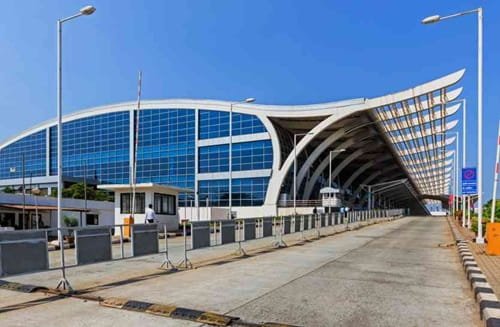





Ziro Airport is one of the important regional airports in Arunachal Pradesh, especially for improving connectivity in the northeastern part of India. Although the airport currently operates on a limited scale, it still holds strategic importance for transportation and regional development. Moreover, many travelers search for information regarding its location, airport code, terminal facilities, and transportation options.
Ziro Airport is located near Ziro town in Arunachal Pradesh. The airport mainly supports regional aviation requirements and helps improve accessibility in mountainous areas. Furthermore, the airport serves as an important transportation point for tourists, government officials, and local residents.
| Feature | Details |
| Airport Name | Ziro Airport |
| Location | Ziro, Arunachal Pradesh |
| Airport Type | Regional Airport |
| IATA Code | ZER |
| ICAO Code | VEZO |
| Pin Code | 791120 |
| Operator | Airports Authority of India |
| Terminal Type | Small Regional Terminal |
| Runway Availability | Single Runway |
| Nearest Town | Ziro |
| Connectivity | Road transportation access |
| Nearby Railway Station | Naharlagun Railway Station |
| Transportation | Taxi, private vehicles, local transport |
Location of Ziro Airport
Ziro Airport is situated near Ziro town in the Lower Subansiri district of Arunachal Pradesh. Furthermore, the airport stands in a scenic valley region surrounded by hills and greenery. The location remains important because it supports transportation access in one of the remote regions of northeastern India.
Nearby Areas Benefiting from the Airport
- Ziro
- Lower Subansiri district
- Hapoli region
- Nearby hill settlements
Additionally, the airport improves accessibility for tourists visiting the Ziro Valley region.
Airport Code and Identification
Every airport uses official aviation codes for airline operations and passenger identification. Ziro Airport also carries unique aviation codes used by aviation authorities.
Official Airport Codes
- IATA Code: ZER
- ICAO Code: VEZO
The IATA code mainly appears on airline tickets and baggage tags. Meanwhile, the ICAO code supports air traffic communication and airport operations.
Terminal Facilities at Ziro Airport
Ziro Airport includes a small regional terminal designed to support limited aviation operations efficiently. Although the airport remains smaller than metropolitan airports, it still provides essential passenger facilities and operational infrastructure.
Main Terminal Features
- Passenger waiting area
- Security screening section
- Arrival and departure points
- Administrative office space
- Parking facilities
Moreover, the airport layout remains simple and passenger-friendly, which helps travelers move comfortably inside the terminal area.
Passenger Amenities
Passengers visiting the airport can access several important facilities, including:
- Seating arrangements
- Restroom facilities
- Information assistance
- Parking space for vehicles
Additionally, the airport environment remains calm and less crowded compared to larger airports.
Runway and Airport Infrastructure
The airport contains a functional runway suitable for small aircraft and regional aviation operations. Furthermore, the airport infrastructure supports limited aircraft movement and operational handling.
Infrastructure Highlights
- Single operational runway
- Open aircraft parking area
- Security infrastructure
- Ground operational support
In addition, the airport location allows possibilities for future infrastructure upgrades if passenger demand increases.
Connectivity and Transportation
Connectivity remains one of the strongest advantages of Ziro Airport because it improves transportation access in mountainous regions. Since road journeys in Arunachal Pradesh often require more travel time, airport connectivity provides faster transportation support.
Road Connectivity
The airport connects with Ziro town and surrounding regions through regional roads. Travelers can use several transportation options, including:
- Taxis
- Private vehicles
- Shared local transportation
Additionally, nearby road networks improve passenger movement between the airport and neighboring districts.
Railway Connectivity
Naharlagun Railway Station serves as one of the nearest railway access points for long-distance travelers. Therefore, passengers can combine rail and road transportation for smoother travel experiences.
Regional Accessibility
The airport supports transportation access for people living in:
- Lower Subansiri district
- Ziro Valley region
- Nearby Arunachal Pradesh towns
- Northeastern India
Consequently, Ziro Airport remains important for regional transportation and tourism connectivity.
Importance of Ziro Airport
Ziro Airport holds strategic importance because it improves transportation access in a remote northeastern region. Furthermore, the airport supports tourism, regional administration, and economic development.
Reasons Behind Its Importance
- Better regional accessibility
- Faster transportation support
- Improved tourism opportunities
- Support for remote communities
- Economic development potential
Moreover, airport infrastructure often encourages better transportation networks and regional growth.
Advantages of Ziro Airport
The airport offers several regional advantages despite its smaller operational scale.
Major Advantages
- Easier transportation access
- Faster travel compared to road routes
- Less congestion
- Improved tourism connectivity
- Strategic location in Arunachal Pradesh
Additionally, passengers benefit from smoother transportation experiences and reduced travel time.
Challenges Faced by the Airport
Like many airports in mountainous regions, Ziro Airport also faces operational and infrastructure challenges.
Common Challenges
- Difficult terrain conditions
- Weather-related operational issues
- Limited passenger infrastructure
- Lower airline connectivity
- Limited flight operations
However, future aviation development programs may improve these conditions significantly.
Future Development Possibilities
Regional airports across northeastern India continue to receive attention under aviation expansion programs. Ziro Airport also has strong potential for future infrastructure growth and operational modernization.
Possible future developments may include:
- Improved runway infrastructure
- Better passenger facilities
- Additional regional flight operations
- Enhanced safety systems
- Stronger transportation connectivity
Furthermore, airport development could strengthen tourism and employment opportunities in the Ziro Valley region.
Safety and Security Measures
Passenger safety remains an important priority at Ziro Airport. Therefore, airport authorities maintain standard aviation security systems and operational procedures.
Security Features
- Controlled airport entry points
- Security personnel deployment
- Passenger verification procedures
- Aircraft operational monitoring
- Basic baggage screening systems
In addition, airport authorities maintain organized operational management for safe passenger movement.
FAQs About Ziro Airport
Q1. Where is Ziro Airport located?
Ziro Airport is located near Ziro town in Arunachal Pradesh.
Q2. What is the IATA code of Ziro Airport?
The IATA code of Ziro Airport is ZER.
Q3. What is the ICAO code of Ziro Airport?
The ICAO code of Ziro Airport is VEZO.
Q4. Does Ziro Airport have a passenger terminal?
Yes, the airport has a small regional passenger terminal with essential facilities.
Q5. Which railway station is nearest to Ziro Airport?
Naharlagun Railway Station serves as one of the nearest railway access points.
Q6. What transportation options are available near the airport?
Passengers can use taxis, private vehicles, and local transportation services.
Q7. Why is Ziro Airport important?
The airport improves transportation access and tourism connectivity in Arunachal Pradesh.
Q8. Can Ziro Airport expand in the future?
Yes, the airport has potential for future infrastructure improvement and operational expansion.