





The baby clothing business is one of the most promising segments in the apparel industry. Parents consistently seek comfortable, safe, stylish, and high-quality clothing for infants and toddlers, making baby wear a product category with steady demand. From newborn essentials to fashionable outfits for toddlers, the market offers numerous opportunities for entrepreneurs who want to establish a successful retail or manufacturing business.
A baby clothing business involves designing, manufacturing, wholesaling, or retailing apparel for babies and young children. Products may include bodysuits, rompers, sleepsuits, dresses, shirts, pants, jackets, socks, caps, mittens, blankets, and seasonal wear. Businesses can operate through physical retail stores, online marketplaces, dedicated e-commerce websites, social media platforms, or a combination of online and offline sales channels.
In 2026, the global demand for baby clothing continues to grow due to increasing disposable incomes, rising awareness of premium baby products, expanding e-commerce, and greater interest in organic and sustainable fabrics. Parents are increasingly willing to invest in soft, skin-friendly, and durable clothing for their children. Although this business offers attractive growth opportunities, entrepreneurs should also consider challenges such as changing fashion trends, inventory management, seasonal demand, and strong market competition.
Understanding the advantages and disadvantages of a baby clothing business helps entrepreneurs evaluate whether this industry matches their business goals and investment capacity.
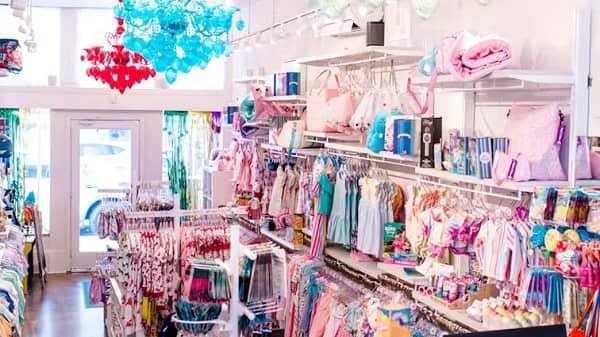
Advantages of a Baby Clothing Business
1. Consistent Market Demand
One of the biggest advantages of a baby clothing business is the steady demand for baby apparel.
Parents regularly purchase:
- Bodysuits
- Rompers
- Sleepsuits
- Dresses
- T-shirts
- Pants
- Winter wear
- Socks
- Caps
As babies grow quickly, clothing needs change frequently, creating repeat purchases.
2. Multiple Revenue Streams
A baby clothing business can generate income through various product categories.
Revenue sources include:
- Everyday baby wear
- Premium clothing
- Organic cotton products
- Seasonal collections
- Gift sets
- Accessories
- Footwear
- Customized baby outfits
Diversified offerings improve business stability.
3. Growing E-commerce Opportunities
Online shopping has expanded the baby clothing market.
Businesses can sell through:
- E-commerce websites
- Online marketplaces
- Social media stores
- Mobile shopping apps
Digital sales help businesses reach customers nationwide.
4. Strong Customer Loyalty
Parents who are satisfied with product quality often become repeat buyers.
Providing:
- Comfortable fabrics
- Attractive designs
- Reliable sizing
- Excellent customer service
helps build long-term customer relationships.
5. Opportunity for Premium Products
Many parents prefer premium baby clothing made from:
- Organic cotton
- Bamboo fabric
- Skin-friendly materials
- Eco-friendly textiles
Premium products often generate higher profit margins.
6. Business Scalability
A baby clothing business can expand by:
- Launching new product categories
- Opening additional stores
- Selling internationally
- Introducing maternity products
- Expanding into children’s clothing
Scalable operations support long-term growth.
7. Brand Development Opportunities
A trusted baby clothing brand can establish a loyal customer base through:
- High-quality products
- Attractive packaging
- Safe materials
- Consistent sizing
Strong branding enhances market recognition.
8. Opportunities for Product Innovation
Businesses can introduce:
- Personalized baby clothing
- Eco-friendly collections
- Matching family outfits
- Smart fabric products
- Seasonal fashion collections
Innovation helps attract new customers.
Disadvantages of a Baby Clothing Business
1. High Market Competition
One of the biggest disadvantages is intense competition.
Competitors include:
- International brands
- Local retailers
- Online sellers
- Department stores
- Boutique brands
Businesses must differentiate themselves through quality and branding.
2. Rapidly Changing Fashion Trends
Baby fashion trends evolve regularly.
Businesses should update:
- Colors
- Patterns
- Designs
- Seasonal collections
Keeping inventory current requires continuous planning.
3. Inventory Management Challenges
Retailers must manage various:
- Sizes
- Colors
- Styles
- Seasonal collections
Poor inventory planning may lead to unsold stock.
4. Seasonal Demand
Some clothing categories experience seasonal sales fluctuations.
Examples include:
- Winter jackets
- Summer wear
- Festival collections
- Holiday outfits
Businesses should forecast demand carefully.
5. Quality Expectations
Parents expect baby clothing to be:
- Soft
- Comfortable
- Durable
- Safe for sensitive skin
Poor-quality products may harm customer trust.
6. Return and Exchange Management
Baby clothing often requires size exchanges.
Managing returns efficiently is important for customer satisfaction and operational efficiency.
7. Rising Material Costs
Fabric prices may fluctuate due to:
- Cotton costs
- Manufacturing expenses
- Transportation charges
Rising production costs may reduce profit margins.
8. Marketing Expenses
Building a successful baby clothing brand requires investment in:
- Digital advertising
- Social media marketing
- Influencer collaborations
- Product photography
Consistent marketing supports long-term growth.
Tips for Building a Successful Baby Clothing Business
A successful baby clothing business depends on product quality and customer trust. Consider these practical strategies:
- Use soft, skin-friendly fabrics.
- Maintain strict quality standards.
- Offer clear size guides.
- Introduce seasonal collections regularly.
- Develop a professional online store.
- Build a strong social media presence.
- Provide attractive product photography.
- Offer gift packaging options.
- Encourage customer reviews and referrals.
- Partner with maternity hospitals and baby stores.
- Continuously monitor changing fashion trends.
Is a Baby Clothing Business Profitable?
Yes, a baby clothing business can be profitable because parents consistently purchase clothing as children grow. Repeat purchases, premium product categories, online sales, gift collections, and expanding customer demand contribute to long-term business opportunities.
Profitability depends on product quality, branding, inventory management, pricing strategy, customer satisfaction, marketing, and operational efficiency. Businesses that provide comfortable, stylish, and safe clothing often build loyal customer bases and sustainable revenue.
Conclusion
The baby clothing business offers excellent opportunities in the expanding apparel industry. Growing birth rates in many regions, rising disposable incomes, increasing online shopping, and greater awareness of premium baby products continue to support market growth in 2026.
Although entrepreneurs must manage challenges such as strong competition, changing fashion trends, inventory management, seasonal demand, quality expectations, returns management, rising material costs, and marketing expenses, the business provides numerous advantages, including consistent demand, repeat customers, multiple revenue streams, premium product opportunities, scalable operations, strong branding potential, and opportunities for product innovation.
Entrepreneurs who focus on high-quality materials, attractive designs, excellent customer service, and effective online marketing can build a successful and profitable baby clothing business.
FAQs
Q: What are the main advantages of a baby clothing business?
A: The main advantages include consistent market demand, multiple revenue streams, growing e-commerce opportunities, strong customer loyalty, premium product potential, business scalability, brand development opportunities, and product innovation.
Q: What are the disadvantages of a baby clothing business?
A: Common disadvantages include high market competition, rapidly changing fashion trends, inventory management challenges, seasonal demand, high-quality expectations, return and exchange management, rising material costs, and marketing expenses.
Q: Is a baby clothing business profitable in 2026?
A: Yes, it can be profitable because parents regularly purchase clothing as babies grow. Profitability depends on product quality, branding, inventory control, pricing, customer satisfaction, marketing, and efficient operations.
Q: What products can be sold in a baby clothing business?
A: Common products include bodysuits, rompers, sleepsuits, dresses, shirts, pants, jackets, sweaters, socks, caps, mittens, blankets, bibs, footwear, seasonal clothing, and baby clothing gift sets.
Q: How much investment is required to start a baby clothing business?
A: Investment depends on the business model and scale. Major expenses include inventory, store setup or website development, branding, packaging, storage, marketing, photography, shipping arrangements, and working capital.
Q: How can a baby clothing business attract customers?
A: Businesses can attract customers by offering high-quality fabrics, attractive designs, competitive pricing, clear sizing information, online shopping, seasonal collections, social media marketing, loyalty programs, gift packaging, and excellent customer service.
Q: What skills are required to run a successful baby clothing business?
A: Important skills include retail management, inventory control, fashion trend analysis, product sourcing, branding, customer service, digital marketing, financial management, quality assurance, and e-commerce management.